

Comprehending the German Exam: A Comprehensive Guide
The German language, understood for its intricacy yet structural charm, has actually become a focal point in worldwide education. With the increasing variety of people looking for to master German-- whether for travel, work, or cultural appreciation-- understanding the various German language exams is vital. This post dives into the kinds of German tests readily available, their structures, preparation pointers, and some regularly asked concerns.
Kinds Of German Exams
There are several recognized German language efficiency examinations that accommodate various needs and proficiency levels. The most prominent ones are:
Goethe-Institut Exams: Offered by the Goethe-Institut, these exams are extensively acknowledged and been available in 6 levels corresponding to the Common European Framework of Reference for Languages (CEFR):.
A1: Start Deutsch 1.
A2: Start Deutsch 2.
B1: Zertifikat Deutsch.
B2: Goethe-Zertifikat B2.
C1: Goethe-Zertifikat C1.
C2: Goethe-Zertifikat C2.
TestDaF (Test Deutsch als Fremdsprache): This exam is particularly created for non-native speakers who want to study in Germany. It evaluates proficiency at the B2 to C1 levels.
DSH (Deutsche Sprachprüfung für den Hochschulzugang): This exam is likewise focused on potential university trainees, evaluating their ability to understand and utilize the German language at a level sufficient for scholastic purposes.
TELC (The European Language Certificates): TELC exams cover different levels from A1 to C2 and are recognized in both scholastic and expert settings.
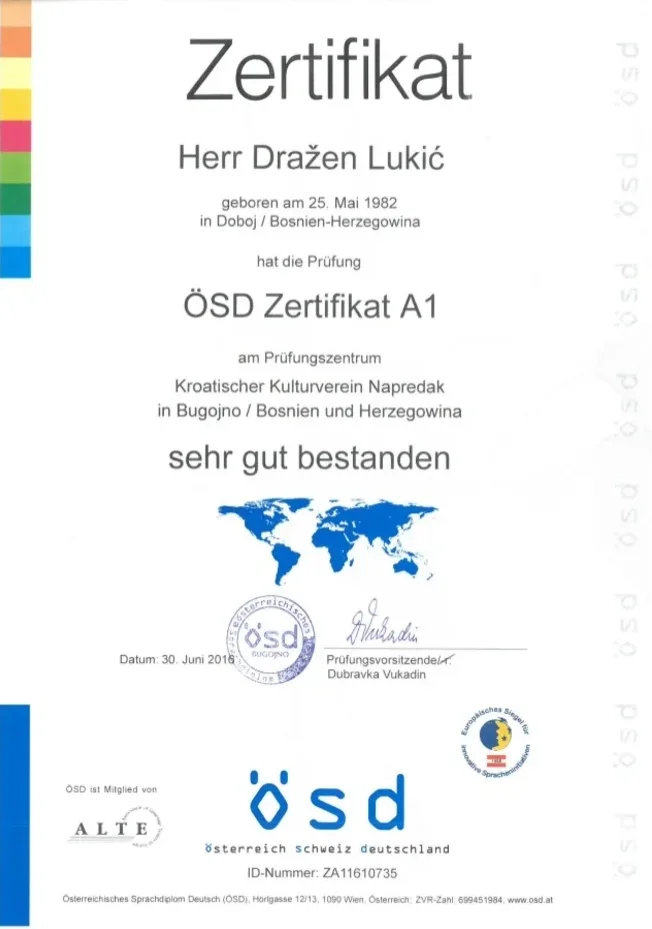
ÖSD (Österreichisches Sprachdiplom Deutsch): These tests examine proficiency in the German language with a focus on the Austrian dialect and cultural elements.
Picking the Right Exam.
Choosing the suitable German exam depends on private objectives, such as:.
Studying in Germany or an Austrian university (TestDaF or DSH).
Showing language efficiency for employment (Goethe-Zertifikat or TELC).
General personal interest (any level with Goethe-Institut or TELC).
Now, let's explore the format of these tests to understand what to anticipate.
Exam Structure.
Each exam has a distinct structure that assesses listening, reading, writing, and speaking abilities. Here is a typical breakdown:.
Goethe-Institut Exams:.
Listening: Understanding conversations and discussions.
Reading: Comprehending various texts, including ads and articles.
Composing: Crafting formal letters or essays based upon prompts.
Speaking: Engaging in conversations, providing topics, or role-playing circumstances.
TestDaF and DSH:.
Listening: Listening to scholastic lectures and conversations.
Checking out: Analyzing clinical texts.
Composing: Writing essays that express viewpoints on current topics.
Speaking: Discussing and establishing ideas on academic-related topics.
Preparing for the German Exam.
Preparation for a German exam is critical in accomplishing the preferred efficiency level. Here are some reliable techniques:.
1. Comprehend the Exam Format.
Acquaint yourself with the exam structure and kinds of concerns.
2. Make Use Of Study Materials.
Use books specifically developed for the exam you are taking.
Experiment past exam papers to gauge your preparedness.
3. Sign Up With Language Courses.
Enroll in courses used by language schools or online platforms for structured knowing.
4. Engage in Practice Speaking.
Practice speaking with native speakers through language exchange meetups or online platforms.
5. Immerse Yourself in the Language.
Listen to German music, enjoy German movies, and read German literature to boost understanding and retention.
6. integriertes deutschmodell on Vocabulary.
Expand your vocabulary by using flashcards, mobile apps, or word lists connected to the exam subjects.
Typical Challenges and How to Overcome Them.
1. Stress and anxiety and Nervousness.
Lots of prospects feel nervous about speaking or performing in front of others. To fight this, practice relaxation strategies, and replicate exam conditions.
2. Vocabulary Limitations.
If vocabulary is a weak point, concentrate on thematic vocabulary associated to the exam. Develop usage situations and memorize phrases frequently utilized in exams.
3. Time Management During the Exam.
Throughout practice examinations, track for how long you take per area. Develop methods for pacing yourself to ensure you can complete each part.
Regularly Asked Questions (FAQs).
What is the passing score for German tests?
The passing score differs by exam type. Typically, a rating of 60-70% is thought about passing, but it's vital to check the particular requirements of each exam.
For how long are German exam results legitimate?
German language proficiency certificates are usually legitimate indefinitely, but some institutions or employers may require recency in certifications, so confirm with your target company.
Can I retake a German exam?
Yes, prospects can retake German exams; nevertheless, the waiting duration and policies differ among screening institutions. It's advisable to inspect the specific standards.
Are there online choices for taking German tests?
Several screening institutions now offer online examinations, particularly due to current worldwide circumstances. Prospects must ask with their relevant exam bodies to validate schedule.
How can I find a testing center?
Testing centers can be found on the websites of language organizations such as the Goethe-Institut, TestDaF, or TELC. They provide a comprehensive directory of places and test dates.
Conclusion.
The journey to mastering the German language is both gratifying and tough. With a variety of tests tailored to different needs, learners can select the course that lines up finest with their objectives. By preparing sufficiently and using efficient study techniques, prospects can boost their chances of success. Embracing the language through immersion and practice can further equalize the learning procedure, making it not just educational but pleasurable. For anyone considering a German exam, understanding of the readily available alternatives and preparation techniques sets the stage for a fulfilling language-learning experience.